Fruit Flies Keep Returning Until the Source Is Gone
Identify the fly, trace the breeding material, compare source-removal plans, and request written terms from an independent pest-control provider.
Fruit Fly Exterminator is a referral service, not a pest-control company. Confirm credentials, availability, pricing, and service terms directly with any matched provider.
What Affects Fruit Fly Control Cost?
A provider must assess the property and give you a written quote; these are scope factors, not advertised prices.
Assessment
Fee varies
Property Size
Scope factor
Pest Pressure
Scope factor
Treatment Method
Method varies
Follow-Up
Terms vary
Fruit Fly Control Services to Discuss
A matched independent provider determines availability and recommends a property-specific plan.
Fruit Fly Identification & Control
Learn how inspection, species confirmation, source removal, sanitation, and monitoring fit together.
Learn MoreRestaurant & Bar Guide
A source-first guide for food-service spaces, including drains, beverage residue, waste handling, and documentation questions.
Learn MoreUrgent Infestation Guide
Prioritize containment, inspection evidence, sanitation, and provider questions when activity is disrupting operations.
Learn MoreDIY vs. Professional Help
Compare what can be checked safely in-house with situations that justify a qualified inspection.
Learn More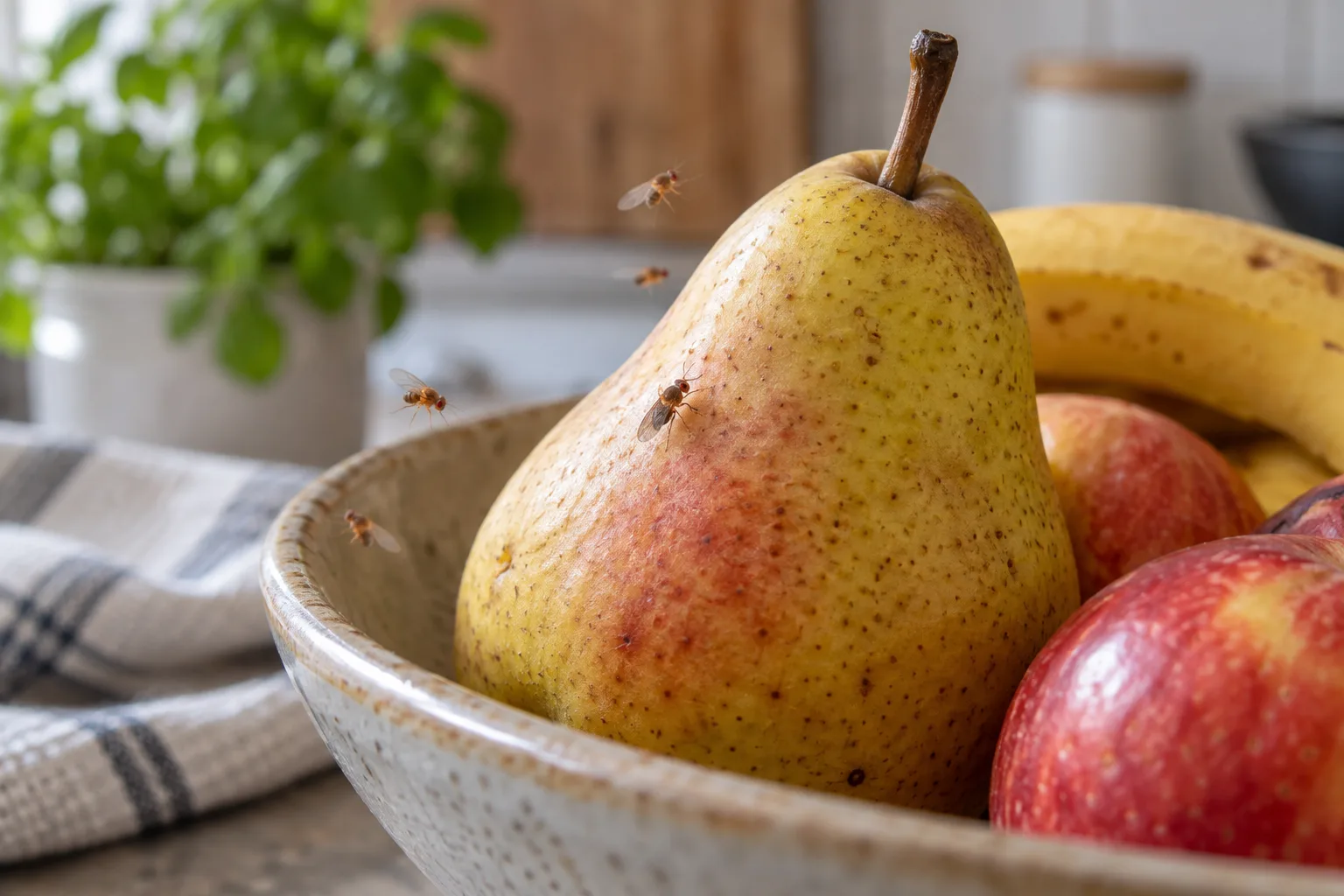

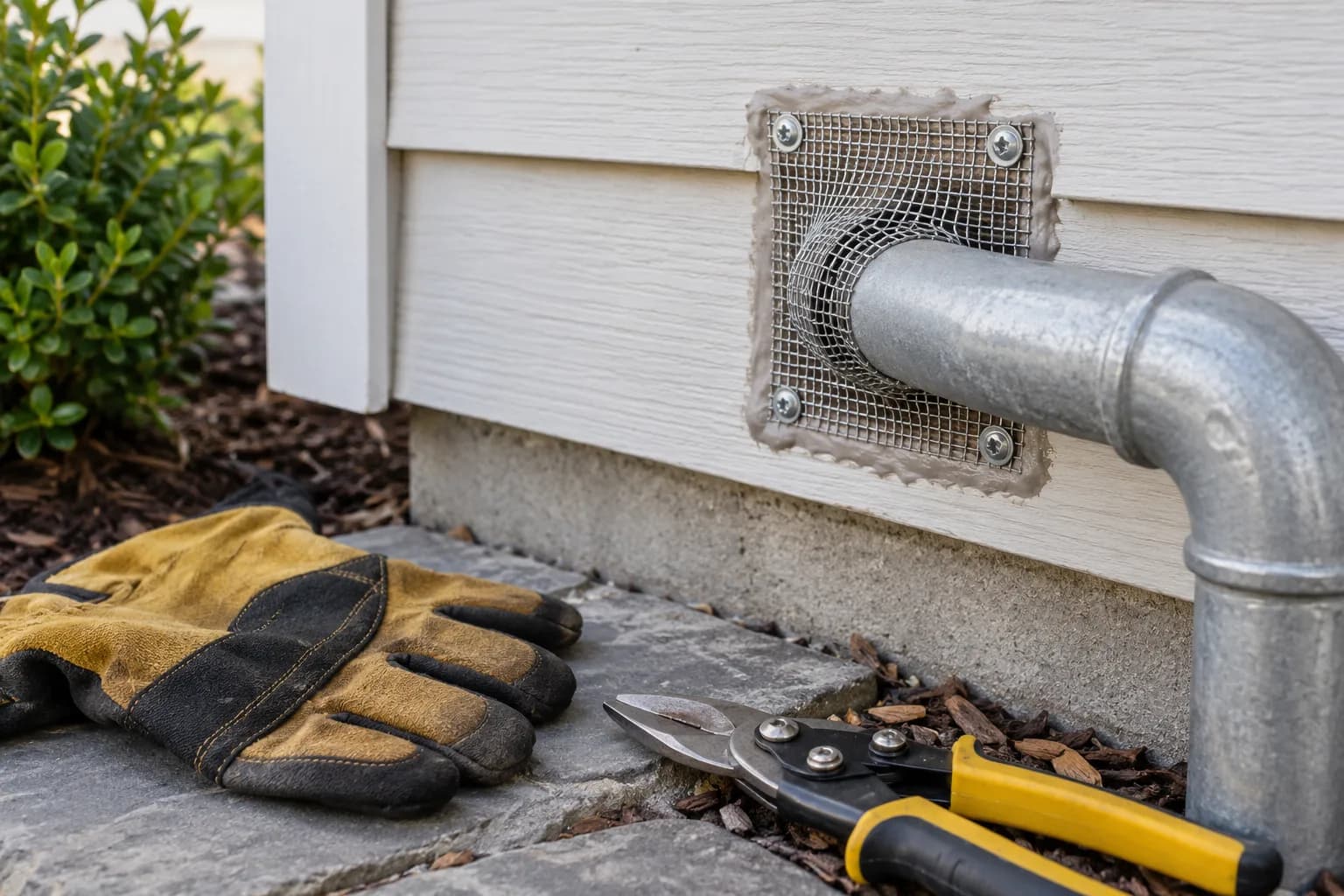
Which Fruit Fly Treatment Is Right?
Every infestation is different. Compare methods side by side.
| Method | Speed | Cost | Duration | Best For |
|---|---|---|---|---|
| Chemical Spray | ⚡ Fast | $150-400 | 1-3 months | Active infestations, quick knockdown |
| Heat Treatment | ⚡⚡ Instant | $800-2,500 | Immediate kill | Whole-structure, chemical-free |
| Baiting Systems | 🐢 1-2 weeks | $200-600 | 6-12 months | Colony elimination, long-term |
| Exclusion Work | 🛡️ Preventive | $300-1,200 | Years | Sealing entry points, prevention |
| Biological Control | 🌱 Gradual | $400-1,500 | Ongoing | Eco-sensitive, organic preference |
Inspection fees and warranty terms vary by provider. Confirm both in writing before work begins.
How It Works
Three steps to request and evaluate an independent provider.
Tell Us About Your Problem
Describe your fruit fly situation and contact details.
Receive a Provider Response
If a provider accepts the request, they contact you to discuss availability and an assessment.
Review Before Hiring
Confirm credentials, scope, price, safety instructions, and warranty terms before authorizing work.
See How Providers Eliminate Fruit Flies
Behind-the-scenes look at the professional process
Understanding Fruit Fly Biology
Knowing how they live, breed, and spread helps shape an effective response.
Lifecycle
- Fruit Flies go through egg → nymph/larva → adult stages
- Warm temperatures accelerate development
- Breaking the lifecycle at the right stage is critical
Reproduction Rate
- Reproduction rates vary by species and conditions
- Warm, resource-rich conditions can accelerate population growth
- Visible activity may not reveal the full source
Survival Tactics
- Fruit Flies may hide in cracks, voids, vegetation, or other protected areas
- Identification should come before treatment selection
- Inspection findings should determine the response plan

Fascinating Fruit Fly Facts
Surprising truths most people don't know
A small-fly problem should be identified before treatment because fruit flies, drain flies, phorid flies, and fungus gnats can indicate different breeding conditions.
Integrated pest management combines monitoring, identification, prevention, and the least-risk effective control suited to the confirmed problem.
Removing breeding material is more durable than relying only on traps that capture visible adults.
📚 Authoritative Resources & Further Reading
These trusted government, academic, and industry sources provide additional information on pest control best practices, health considerations, and regulatory standards.
The EPA regulates pesticide registration, safety standards, and application requirements for professional pest control products.
The CDC provides authoritative information on vector-borne and pest-related diseases, including prevention guidance.
The NPMA is the primary US pest control industry trade association, providing research, standards, and consumer education.
The EPA's official IPM framework: the four-tiered approach to sustainable pest management used by professionals nationwide.
UC IPM provides research-based pest management guidance used by professionals across the US.
When Are Fruit Flies Most Active?
Understanding seasonal patterns helps you prepare
Winter
Dec-Feb
Raccoons, squirrels seek warm attics. Exclusion critical before animals den.
Spring
Mar-May
Birthing season. Female animals seek den sites. Early exclusion prevents colonies.
Summer
Jun-Aug
Juvenile animals disperse. Snake activity peaks. Peak wildlife encounters.
Fall
Sep-Nov
Animals fatten and seek shelter. Most critical exclusion window.
Frequently Asked Questions
Why do fruit flies keep coming back?
Do fruit flies always come from fruit?
How much does professional fruit fly control cost?
How quickly should activity decline?
Is pesticide treatment always necessary?
How does the provider-matching service work?
Ready to Get Started?
Request contact with no obligation to hire. Provider response, inspection fees, availability, and terms vary.
Explore Local Fruit Fly Guides
Provider availability is not guaranteed; confirm service area and terms directly.